By Tim Waters · Updated
By Tim Waters · Updated
As an Amazon Associate, Bunnyproof earns from qualifying purchases.
 Bunnies can get in all sorts trouble in the kitchen
It's best not to let your bunny play in your kitchen if you can as they can get in all sorts of trouble, however this is not always possible so if you do let your bun roam in your kitchen then there are some areas of danger to consider where bunny proofing should be applied to prevent harm and stop damage from chewing.
Many of the crawl spaces that lead to the back of appliances can contain sharp unfinished surfaces, are hot enough to burn your bunny or lead to electrical wires that can be very dangerous if chewed and it's important to find a way of blocking these off.3
Bunny proofing should be applied to prevent harm and stop damage from chewing
Bunnies love to chew the soft wooden edges of cupboards, tables and chairs which can cause quite a lot of damage and if they get inside the cupboard, they can cause quite a lot of mess. Cupboards can often be storage space for chemical cleaners which can cause harm if they make contact with your bunnies skin or worse their mouth.5
bunnies can also find the slippery surfaces in a kitchen hard to negotiate and there are not many safe places for them to hide without getting underfoot. It is way too easy to forget your bunnies there when you come in with some hot food which could lead to a nasty accident for you and your bunny.
It's essential to bunny proof your kitchen in this guide we explain some of the ways experienced bunny owners have gone about doing this. Find out how to block crawl spaces that lead behind appliances or under furniture. Learn how to easily secure cupboard doors with some simple child catches. We also have lots of tips on how to stop your bunny chewing wooden furniture and show you what safe and acceptable alternatives can be used to enrich the rest of your home and keep your bunny out of trouble.
 Take a look at the following guidance and make sure your bunny doesn't make a meal of anything they shouldn't
Bunnies are always on the forage for things to eat, that's why it's important to make sure you keep the floor in the kitchen clear of anything that you don't want your bunny to eat. Look at the following guidance and make sure your bunny does not make a meal of anything they should not.
Kitchens and utility spaces are often a place for kicking off shoes, dropping school bags and putting the shopping down when you come in however to your bunny these are all new things to explore and by explore, we mean have a bit of a chew on. It is no good hoping it is not going to happen, the best thing to do is, as they say, find a place for everything and keep everything in its place. It is well worth investing in some simple storage solutions for shoes that can keep them out of reach. Make sure you have enough coat pegs to hang cloths and bags on so, they do not end up on the floor.
Sometimes things get discarded on the floor that you may not think about, but these things can be very dangerous. When you let your bunny into the kitchen take a look and clear everything off the floor that may cause harm if eaten. such as elastic or rubber bands, hair bands, plastic bags, batteries, recycling such as cans, any fragments of glass or broken ceramics and plant and flower cuttings.
Make sure any food storage is not left out on the floor. Not only will it make a mess if your bunny gets in there, not everything a bunny will try to eat is good for them. Vets advise keeping chocolate, avocados, fruit seeds and pits, rhubarb, onions and processed foods such as bread away from bunnies,1 along with potatoes and iceberg lettuce.2
Make sure food waste and other rubbish is contained in bins that your bunny cannot get into or knock over.

“When your shoes have been safe at this level for months and months and months and months and suddenly, they're not! Protection deployed !!!!!”
 Always make sure crawl spaces between appliances are blocked off
Bunnies are quite comfortable exploring tight spaces and will typically poke their noses in them over and over again. Unfortunately, the crawl spaces between your kitchen cupboards and appliances, or under dressing tables can lead them to exposed electrical cables, hot or sharp metal edges or unfinished surfaces with nails and staples. Always make sure access to crawl spaces down the sides of appliances are blocked off by following these helpful bunny proofing tips.
An easy way to block the spaces between appliances is by filling the space by stacking up some blocks of wood or placing some bricks in the gap. If you are confident with DIY skills then it can help if you build something that will cover the gap by screwing some of the blocks of wood together.
Spaces under dressing tables and other furniture should also be closed off as it will save any issues that may occur from your bunny playing and chewing things under them or popping out when unexpected and causing you to trip. An uncomplicated way to do this is to use the space for storage by tucking in some storage boxes there. This can also so help by giving you more places to store some of the things you do not want your bunny to get to.
 Bunnies love playing under things, here's how to stop the damage from them chewing the oft wood
Bunnies prefer to keep out of harm's way and tend to seek out shelter. If you have a tables and chairs in your kitchen then your bunny is likely to want to spend time playing or resting under them which will typically end up meaning some damage will be done as your bunny will be tempted to chew on the soft wood.
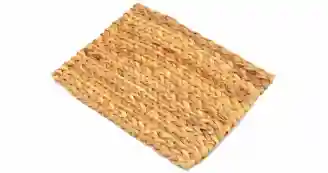
The first thing that you can do to help stop this is to give your bunny somewhere more fun to play like a tunnel or tent toy with some more appetizing alternative to chew on like willow sticks or grassy chew toys.
You don't have to spend any money either as a cardboard box will not only be a fun place for your bunny to play, but they will also love chewing on the cardboard and stripping layers of the corrugated layers.
If your bunny does find chewing your table and chairs irresistible you may need to protect them and the easiest way to do this is to slip something over the legs to act as a shield. There are many things you can use including cardboard tubes, kitchen roll tubes or even stretchy materials that can be pulled over chair legs to make it less appealing to chew on.
 Keeping your bunny out of cupboards can be a battle especially if they know food in stored inside them
If your house bunny has access to your kitchen cupboards or fridge then you are going to have to be careful, they don't break into them which can be a battle especially if they know food in stored inside them.
Make sure your cupboards and fridge door are always kept shut. This is something you and any other family members are going to have to get in the habit of.
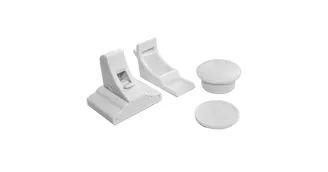
If you want to be properly safe then it's best to fit one of the many child locks you can get, they are cheap and easy to fit and will take all the worry out of possible break-ins.
 It's important to stop your bunny digging and chewing vinyl or carpet flooring which can be harmful
Bunnies are strong diggers adept at burrowing through tough materials and can easily pull up, shred, and chew soft vinyl or carpeted flooring. This damage can happen rapidly and before you know it you can be forced to put a tatty looking patch over the area or have the expense of replacing the whole flooring.
Bunnies also have a habit of chewing soft material which can not only cause a lot of damage it can also be harmful if eaten, as long strings of indigestible material can get stuck in your bunny's tummy.4 If you do notice your bunny taking an interest in the floor it is best to stop this immediately before it becomes a habit. For more information see out article on how to stop your bunny chewing carped and flooring.
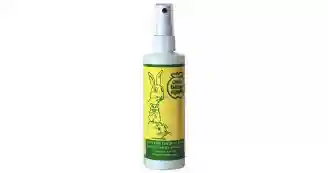
Bitter sprays can help make the corners of wooden cabinets, carpet and the legs of tables and chairs a lot less appealing to chew on however they are not a single solution and need to be used alongside other bunny proofing.
Apply the spray directly to the area where the damage is being caused and any other areas that look like likely targets. If you are worried about spraying it about you can spray it onto a cloth first, then wipe it on directly.
Remember to keep reapplying the bitter spray regularly so it doesn't lose it's effectiveness.
Avoid homemade remedies that may be suggested to you, such as perfume, chili oil or soap, and choose a recognized brand made for bunnies instead. We would also avoid remedies such as double-sided sticky tape that could get stuck in your bunny's fur or cause problems if eaten.
1. PetMD (Melissa Witherell, DVM), What do rabbits eat?. Lists foods to avoid, including chocolate, avocados, fruit seeds and pits, rhubarb, onions and processed foods such as bread. Checked 20 Oct 2026.
2. VCA Animal Hospitals, Bunny care basics. Lists potatoes and iceberg lettuce as foods to avoid. Checked 20 Oct 2026.
3. PetMD (Laurie Hess, DVM, reviewed by Jennifer Coates, DVM), Electric cord bite injury in rabbits. Says a rabbit that bites a live cord can suffer anything from a mild mouth burn to heart damage, fluid in the lungs and death, and that the best prevention is making cords inaccessible. Checked 20 Oct 2026.
4. VCA Animal Hospitals (Gregory Rich, DVM, Laurie Hess, DVM, and Rick Axelson, DVM), Gastrointestinal stasis in rabbits. Advises stopping rabbits chewing rugs, towels or other material that may cause a life-threatening obstruction. Checked 20 Oct 2026.
5. PDSA (veterinary charity), Poisons and hazards for your pets. Says cleaning products can be very harmful to pets, that weed killers, pest killers and other garden chemicals can cause serious harm if swallowed, licked off fur or absorbed through the skin, and that chocolate can be fatal to rabbits. Checked 20 Oct 2026.
Tim founded Bunnyproof and has kept house rabbits for over 20 years. He runs the Bunny proofing Facebook group, where around 50,000 members share what works in their homes.
Our guides share practical experience from rabbit owners. They are not a substitute for veterinary advice.
More about Bunnyproof