By Tim Waters · Updated
By Tim Waters · Updated
As an Amazon Associate, Bunnyproof earns from qualifying purchases.
A digging box is one of the best free toys you can make for your bunny. It’s as simple as filling a container with things your bunny enjoys foraging and chewing on, and they will be entertained for hours. Additionally, it’s a great way to contain the mess.
In this guide, we provide a step-by-step process for building a digging box, discuss the pros and cons of different types of containers to use, and explain the best way to prepare a cardboard box for this job. We also cover what makes good and bad fillings for your digging box.
 You can also try hiding some treats in there!
It's important for your bunny's health and happiness to enrich their environment with plenty of boredom-breaking toys that allow them to exercise their natural behaviors. Foraging for young roots and shoots in the undergrowth is one such behavior. Unfortunately, this instinct can lead to your bunny tugging up your carpet, chewing your baseboards, or shredding your wallpaper.
This is why a digging box is such a great toy that your bunny is going to want to play with over and over again. It satisfies their need to forage for food, while also helping to contain the mess.
Select a large, clean cardboard box or a sturdy, low tub that is spacious enough for your bunny to turn around in and low enough for them to easily hop in and out. Cardboard boxes are ideal since your bunny will enjoy tearing apart the sides.
Next, you need to fill the box with anything you think your bunny will like. Options include straw, paper, and, old toilet roll tubes. Plastic or paper with heavy inks should be avoided. Sand and soil are best avoided, as they get very messy.
One additional benefit of a digging box is that it can be placed over a spot of carpet that is being chewed or up against an area of wallpaper that your bunny has been chewing or shredding. It will block access and is the perfect distraction to keep your bunny out of trouble.
Remember, not all bunnies are diggers. If your bunny doesn’t engage with the box right away, don’t be discouraged. Encourage them by placing the box in a safe area or hiding some treats inside.
Keep an eye on the box. If you notice your bunny eating a lot of the filling or using it as a litter box, it's best to remove it and try again later to break that habit.
Pretty much. A forage box is a dig box with food hidden in the filling. Scatter some hay or a few of your bunny's usual pellets through the paper so they have to rummage for them, just as they would forage outside.
A burrow box is a little different. It's a covered box with a doorway to crawl through, so it works more like a hideout. You can make one from a cardboard box by cutting a hole in the side and adding a layer of paper or hay inside. See how to build a cardboard box hideaway.

“So much noise coming from the rabbit room. I took the lid off this box to find the boys digging for freedom! This box was completely intact apart from the hole for the tunnel to enter it yesterday. Who needs posh toys?!”
The ideal container for a digging box should be large enough for your bunny to comfortably turn around and spacious enough for the filler materials. It should be high enough to contain the mess caused by digging but still allow your bunny to hop in and out with ease.
Cardboard boxes make an excellent choice as they are free and can be replaced if they become tatty. Ensure the box is made from safe materials like plain cardboard without heavy ink or plastic finishes. Avoid boxes that have stored cleaning products. A box from a supermarket that contains food is ideal.
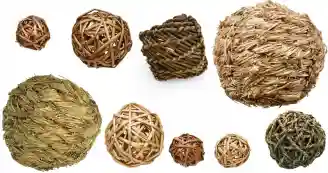
Plastic bowls or dog beds also work well because they have a wide base and can be easily cleaned. A wicker basket can be fun, but expect it to get chewed. It’s best to avoid anything treated with heavy varnish in case your bunny decides to nibble on it.
Lastly, steer clear of thin plastic storage boxes, as they can be slippery, making it difficult for your bunny to get in and out, and some thin plastic ones may break, leaving sharp edges.

“Mid-day is his favorite nap time so we don't bother him then.”
 If you are looking for some new ideas for things to put in your bunny's digging box then this guide for you.
If you're considering making a digging box for your bunny or looking for new ideas to make it more interesting, this guide will help you.
We look at the good points and the bad points of various materials that others have tried, as well as items you should avoid.
When considering what to put in a digging box for your bunny, soil or sand might seem like obvious choices. However, we do not recommend these materials, as they can be messy and may leave dirt in your home, especially if it gets kicked out or spread around on your bunny's feet.
A popular choice among bunny owners is shredded paper, such as waste from a paper shredder that has been cut into strips like confetti. Paper-based packing material can also work well, as it is usually unprocessed and tends to make a nice scrunching noise, adding an extra element of fun. If you choose to include paper, avoid glossy prints and make sure to remove any staples. Shredded newspaper works well too.1
Straw and hay are also excellent options for digging box fillers. They are inexpensive and can encourage your bunny to eat more of them, which is beneficial for their diet.
Avoid using bubble wrap or foam pellets and blocks, as synthetic materials can pose health risks if ingested.
It's important to use different materials than those you use in your bunny's litter tray, as they may confuse the new digging box with their litter area. Should your bunny start using the digging box as a litter tray, it’s essential to remove the box to maintain their good litter training habits.

“Ozric loves his digging box especially when I hide some treats in the bottom of it”
The digging box can also be a great place to provide shop-bought chew treats. This will enhance the fun and help contain the mess when your bunny pulls the treats apart.
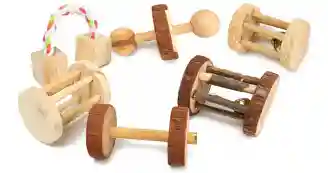
You don’t have to spend money on toys for the digging box; items like toilet roll tubes and bunny-safe twigs can make the box just as enjoyable.
To keep your bunny engaged, it’s best to swap out the contents of the digging box periodically. This will introduce new items for them to explore and remove any soiled materials, which encourages your bunny to return and discover what’s new.

“I read that bunnies loved to play and dig in ball pits, so I set up one for my bunny. She loved it and was chasing them all over my room and never caught the ball, which kept her busy for a while. However, she finally ended up catching one and looks like she ate a pretty big chunk out of it. I have been looking for the plastic piece around my room and can't find it, so I am worried she probably ate it.”
Yes, giving your rabbit a box specifically for digging and foraging supports their natural behavior. It can also help distract them from chewing on carpet, baseboards, and wallpaper.
You can fill your rabbit's digging box with shredded paper, hay, twigs, and chew toys.
Yes. Vets suggest newspaper under hay in a litter box, so shredded newspaper is fine in a digging box too. Skip glossy magazines.
Yes, rabbits love to dig. You can create a digging box for your house rabbit filled with shredded paper, hay, twigs, and chew toys to support their natural instincts.
The best materials for filling a rabbit's digging box include shredded or crumpled paper, hay, twigs, toilet roll tubes, and chew toys.
Shredded paper, hay, twigs, toilet roll tubes, and chew toys are all excellent choices for a rabbit's digging box.
A forage box is a dig box with food hidden in the filling, such as hay or a few of your bunny's usual pellets, so they have to rummage to find it.
1. PetMD (Melissa Witherell, DVM, reviewed by Lauren Jones, VMD), How to litter train a rabbit. Recommends paper-based or organic litter or hay, newspaper under hay for rabbits that eat their litter, and avoiding pine and cedar because of their toxicity. Checked 20 Oct 2026.
Tim founded Bunnyproof and has kept house rabbits for over 20 years. He runs the Bunny proofing Facebook group, where around 50,000 members share what works in their homes.
Our guides share practical experience from rabbit owners. They are not a substitute for veterinary advice.
More about Bunnyproof