By Tim Waters · Updated
By Tim Waters · Updated
As an Amazon Associate, Bunnyproof earns from qualifying purchases.
 It doesn't take much to upset your bunny's litter training habits, follow these steps and avoid the pitfalls
It can be tricky moving your bunny's litter tray from its regular spot to a new place in your home as this can disturb your bunny's litter training habits.
If your bunny can't easily find their way to their litter tray or doesn't like where it's been moved too, they may continue to use the area where it was before or even establish a new toilet area of their own choosing.
If you are planning this follow these simple steps from people that have done this and discovered all the pitfalls to this delicate process.
When you first move the litter tray make sure you do everything you can to encourage its use.
An easy way to do this is to move your bunny's food next to it. If you have a hay feeder, place this above the litter tray so your bunny spends more time there.

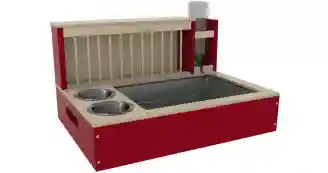
“After some trial and error I think I got a good set up. I made my own hay hopper to avoid messes”
Leave some litter still in the tray when you clean it out so it retains a familiar smell and your bunny can find it easily again.
This will help stop them starting a new spot as they will favor the one already used.
If they do try and establish their own toilet area in a different place, always quickly clean up any mess and smells so a habit does not form around it. If it was on a carpet, it is best to use an odor control spray.
If your bunny does not take to using the litter tray in the new place and instead repeatedly goes to a different spot in the room it may be easier to move the litter tray there if it's not inconvenient.
Bunnies can be very stubborn. If your bunny keeps going back to the original spot you may need to move the litter tray back there or keep both.
Tim founded Bunnyproof and has kept house rabbits for over 20 years. He runs the Bunny proofing Facebook group, where around 50,000 members share what works in their homes.
Our guides share practical experience from rabbit owners. They are not a substitute for veterinary advice.
More about Bunnyproof