By Tim Waters · Updated
By Tim Waters · Updated
As an Amazon Associate, Bunnyproof earns from qualifying purchases.
 Make sure you bunny proof your Christmas tree
Your home can change quite a bit during the Christmas holidays with the putting up of decorations and it's likely your bunny will want to explore these new things, typically by nibbling them. Unfortunately, most Christmas decorations are not made with house bunnies in mind, so it is important to add a little bit of bunny proofing to them to stop them being damaged and make them safe. In this article we have some terrific tips from experienced bunny owners on how they keep their Christmas tree out of reach and stop their Christmas tree lights and other ornaments getting chewed.
Many of the foods that we associate with Christmas can also be harmful if your bunny eats them and special attention needs to be given to snacks left out by guests that are in reach.
Many of the foods that we associate with Christmas can also be harmful
Sweets and chocolate that may be discarded by children could easily be stolen by your bunny and below we list many of the foods that can be harmful to an unsuspecting bunny.
Guests uninitiated to house bunnies may also be about, and it is important to give them clear guidance as to how to share your home with your bunny, especially young children. We discuss here some basic rules you may take for granted that will help them approach your bunny without scaring it.
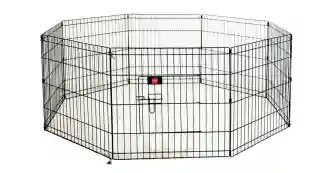
Christmas trees can be a real temptation for your bunny. Make sure the tree is placed away from any object that can be climbed on to stop your bunny reaching over to the tree. Check to see if your tree is firmly secured and cannot be knocked or pulled over. It can often be best to fence off your tree with a pet pen or baby gate to keep your bunny away from low hanging branches and the presents underneath.
As well as the risk of knocking the tree over, real fir trees can be bad for bunnies if eaten. Their natural oils are mildly toxic to bunnies and can irritate the mouth and stomach, and the needles can be swallowed.1 If you water your tree, cover the tree water, as fertilizers and pesticides used on the tree can get into it, and standing water can breed bacteria.1
Plastic trees aren't made to be chewed either, so find a nice spot where you can all enjoy the tree but out of reach of a curious bunny.
If your bunny free roams the room where the tree goes up, shutting them out for the whole of Christmas can be hard on them. Bunnies get attached to their space and routine, and a bunny that is used to spending the evenings with you may become frustrated or start chewing and digging at the door. It is usually kinder to fence off the tree than to fence off the room.
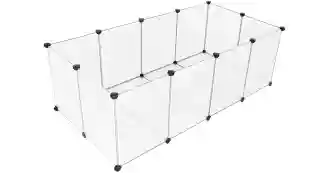
A few sections of pet pen around the tree let your bunny keep their room while keeping them away from the branches, lights and presents. If you can't pen the tree, only let your bunny into the room when you can supervise them, and give them some extra time and attention in their own space so the change is less of a shock.
Lots of bunnies claim the space under the tree as their own and will happily lie there for hours. It is shady and enclosed, a bit like a burrow. If your bunny can get under the tree, make that space safe: keep the tree water covered, sweep up fallen needles every day, run the light cables up and away from the floor and keep presents somewhere else. And don't panic if you find them flopped out on their side under the tree; that is how a very relaxed bunny sleeps.
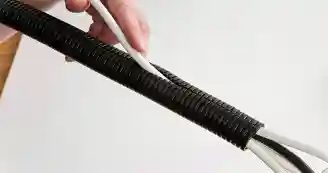
The first thing to think about is how to hide the fairy lights in the tree or anywhere else in your home as they can be extremely dangerous. The soft insulation of power cords does not offer any protection and if chewed on can cause electric shocks and burns in the mouth.1 It is important to keep cords to a minimum by trailing them out of reach or leading them up from a plug that is behind furniture. If you cannot hide the power cords you can cover them with something tough like plastic pipe, this can be split along its length and slipped over the cable, so you do not need to take the plug off.
Chewed fairy lights are one of the most common Christmas problems in our Facebook group, and the bunny parents who have the fewest problems are the ones who put a pet pen around the whole tree, so the lights and their cables are out of reach.
If your bunny starts taking an interest in your Christmas decorations or ornaments it's best to move these out of reach. Small decorations can be swallowed and cause a serious blockage.2
Place them on a shelf out of reach or on a table. Once your bunny's curiosity is sparked, it's likely they will keep returning no matter how many times you say NO!
Always keep candles out of reach, your bunny could either burn its whiskers or worse itself if it hops or reaches over the exposed flame. Do not place candles on anything that can be knocked over or on something that can be tugged at by your bunny resulting in the candle toppling over. Also be mindful of ornaments that you place candles in as these can also get extremely hot as well.
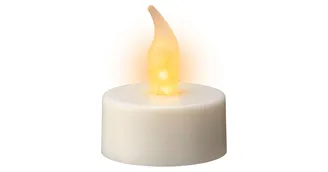
If your bunny roams the room, flickering LED tea lights give the same cozy glow with no flame to worry about.
Christmas plants such as poinsettia, mistletoe, holly and ivy can all make pets ill,2 so it's best to move them out of reach before you end up with a medical issue which can be hard to get treatment for over Christmas. Make sure falling berries and leaves are in areas where they cannot fall in your bunnies path.
Christmas morning can leave the floor covered in wrapping paper, ribbon, gift bags and tape, and a curious bunny will soon start nibbling. Tinsel can cause a severe blockage if swallowed,1 and sticky tape, bows, ribbon and string are a hazard too,2 so clear them up as you go and keep tinsel off the lower branches of the tree. It's fine for your bunny to join in, as long as they're supervised and the wrapping is tidied away.
Instead of trying to keep your bunny away from everything, give them some Christmas things of their own. A plain cardboard box with the tape and staples removed makes a great present to dig and chew, and you can hang a wooden or willow chew toy in their area as their own Christmas decoration.
It's important to keep chocolate out of reach of your bunny: vets list it among the foods bunnies should never eat.3 If your bunny eats any chocolate, phone your vet straight away rather than waiting to see if they become ill.4 Sweets and other processed human foods aren't good for bunnies either,3 and the wrappers can cause problems if eaten.
A big change at Christmas can be people visiting your home who may not be used to house bunnies. It may be best to ask guests to take their shoes off as they may not be used to how bunnies tend to get under foot and can easily be stepped on. If you have children staying, encourage them not to race around where your bunny can roam. Uninitiated guests may not be used to how good bunnies are at chewing things so it is important to give them somewhere to leave shoes, coats, or handbags where they cannot be got at. Be careful to keep an eye on laptop or phone charger leads that may appear.
It's also worth re-enforcing to guests that may not be used to bunnies that it's unlikely that your bunny will want to play with them or their children. Help them understand bunnies are shy prey animals, which means they can be timid and skittish in some situations. Bunnies also have fragile bones and can be injured easily if handled improperly. Introduce the bunny calmly and go through some simple rules at the start.
No. The natural oils in fir trees can irritate your rabbit's mouth and stomach, and the needles can be swallowed, so keep your bunny from nibbling the tree. Plastic trees aren't made to be chewed either.
A real tree can be in the same room as your rabbit as long as they can't reach it. Fence it off with a pet pen or baby gate, make sure it can't be pulled over, and cover the tree water, as fertilizers and pesticides from the tree can get into it, and it can breed bacteria.
Keep cables to a minimum and trail them out of reach, or run them up from a plug behind furniture. Where you can't hide them, cover them with tough plastic pipe split along its length, so you can slip it over the cable without taking the plug off.
Place the tree away from anything your bunny can climb on, check it is firmly secured, cover the tree water and hide the light cables. The simplest way is to put a pet pen or baby gate around the tree and the presents underneath it.
You don't have to. If your bunny free roams that room, it is usually kinder to put a pet pen around the tree than to shut them out for weeks. If you can't pen the tree, only let them in when you can supervise them.
Not really. Tinsel, sticky tape, bows, ribbon and string can cause problems if swallowed, so tidy them away as presents are opened. A plain cardboard box with the tape removed is a much safer present for your bunny to chew.
Many aren't. Small decorations can be swallowed and cause a blockage. Keep them on a shelf or table out of reach, and keep poinsettia, mistletoe, holly, ivy and candles well away from your bunny.
1. Medivet (UK veterinary group), Keeping your pet safe at Christmas. Says Christmas tree oils are mildly toxic to rabbits and can irritate the mouth and stomach, needles can be swallowed, fertilizers and pesticides can get into tree water, which can also breed bacteria, tinsel can cause severe blockages, and chewed wires can cause shocks and burns. Checked 20 Oct 2026.
2. PDSA (veterinary charity), How to have a pet-friendly Christmas. Says poinsettia, mistletoe, holly and ivy can all make pets poorly, small decorations can cause a serious blockage, and tape, bows, ribbons and string are a hazard if swallowed. Checked 20 Oct 2026.
3. PetMD (Melissa Witherell, DVM), What do rabbits eat?. Lists chocolate and processed foods among the foods rabbits should avoid. Checked 20 Oct 2026.
4. PDSA (written by vets and vet nurses), First aid for poisons and toxins. Says to phone a vet straight away and never wait to see if your pet develops symptoms. Checked 20 Oct 2026.
Tim founded Bunnyproof and has kept house rabbits for over 20 years. He runs the Bunny proofing Facebook group, where around 50,000 members share what works in their homes.
Our guides share practical experience from rabbit owners. They are not a substitute for veterinary advice.
More about Bunnyproof